

Our Daily Cinema
"THOUSAND YEARS OF HISTORY IN THE HEART OF EUROPE: BORGO CASTELLO, A CROSSROADS OF NATIONS AND CULTURES," CUP F88F2200007. Funding: PNRR - Next Generation EU, pilot project PNRR M1C3, measure 2, investment 2.1, line A
Kinoatelje and BorGO Cinema
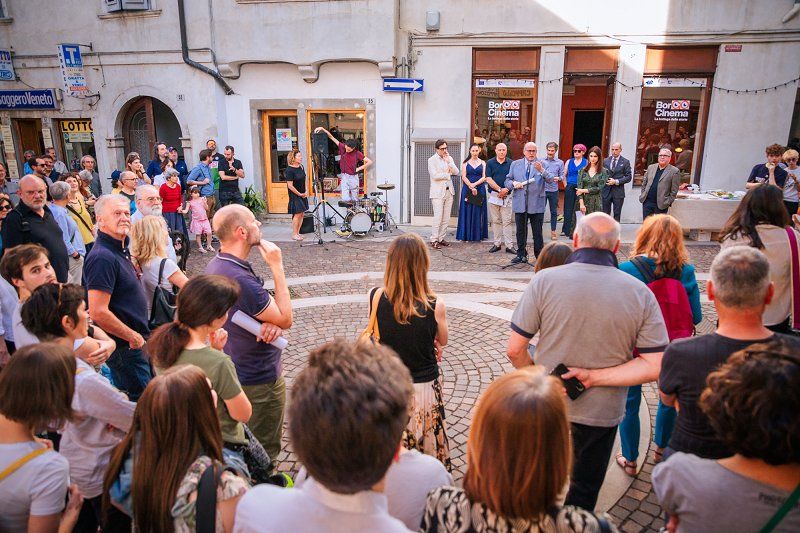
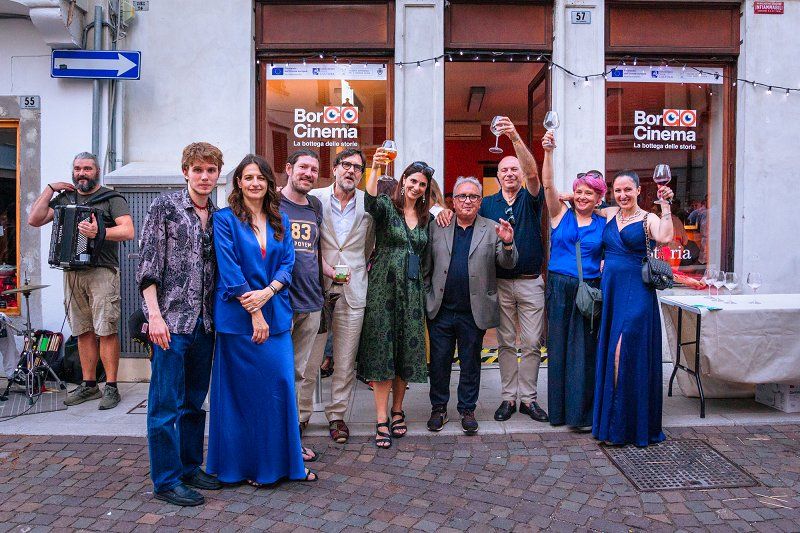
Nearly 50 years after its establishment, Kinoatelje is embarking on a new project aimed at bringing film culture to an ever-wider audience. This initiative, Our Daily Cinema, is funded by the PNRR Borghi program and forms part of the BorGO Cinema initiative headquartered in Gorizia, at Via Rastello 57/59. The Borghi call for proposals focuses on revitalizing historic settlements by enhancing their cultural offerings. Recognizing its potential contribution, Kinoatelje aims to develop a film-tourism initiative that allows Gorizia’s residents and visitors to discover the city from a unique perspective: a cinematic one. Film walks will lead participants through the city's streets along five thematic routes, highlighting the people, places, and productions that have shaped the area’s cinematic history from the late 19th century to today.
The Book Our Daily Cinema as Inspiration
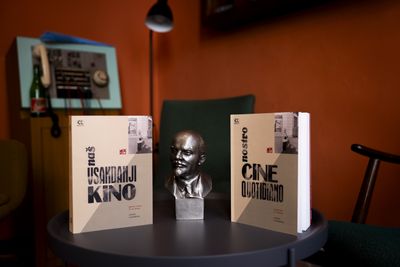
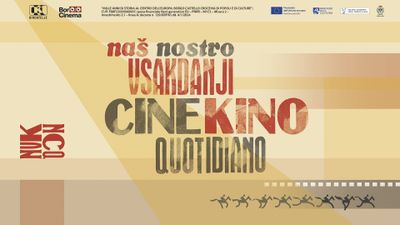
Nostro cine quotidiano - Our Daily Cinema is the title of a book published by Kinoatelje in 2001 to mark Gorizia’s 1000th anniversary. Written by Sandro Scandolara, a journalist, film critic, and close collaborator of Kinoatelje founder Darko Bratina, the book intertwines the evolution of cinema with the city’s tumultuous 20th-century history. This rich and imaginative narrative, supported by exceptional visual materials, brings both the city and its cinematic history vividly to life. In 2025, as part of the European Capital of Culture GO! 2025, the book will be reissued in a bilingual edition, Nostro cine quotidiano - Naš vsakdanji kino.
Discovering Gorizia Through Film Walks
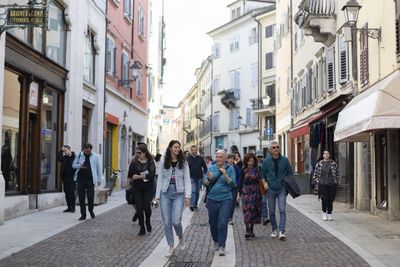
Inspired by Sandro Scandolara’s book, the project expands its content through five thematic walks. Kinoatelje has long worked to promote film culture and strengthen cross-border ties between Slovenia and Italy in this field. Now, the initiative steps out of the cinema halls, inviting participants into the magical world of cinema through guided walks in the city’s streets. Participants can learn about the fascinating life of actress Nora Gregor, visit locations of the city’s first cinemas, and discover the visionaries who shaped local film culture. Walks will also explore filming locations for movies and TV series. A special route will cater to children, introducing them to the magic of cinema through engaging activities. The walks will launch in 2025 and offer a unique opportunity for film enthusiasts and curious minds to explore the distinctive history of Gorizia and Nova Gorica.
Exploring Film Heritage and Workshops
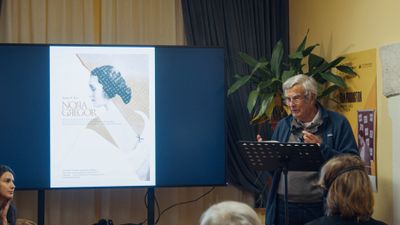
The exploration of Gorizia’s cinematic heritage will not be limited to walks but will also include workshops and educational courses. The first course will focus on the study of film culture and Gorizia’s history, training ambassadors to guide visitors on these walks. Another workshop will center on microproduction of short films in the cross-border Gorizia area. Young filmmakers will draw inspiration from Sandro Scandolara’s Our Daily Cinema and create their projects under the guidance of director and screenwriter Alessandro Comodin. Additional workshops for children and adults will also be offered throughout the project.
Our daily cinema omnibus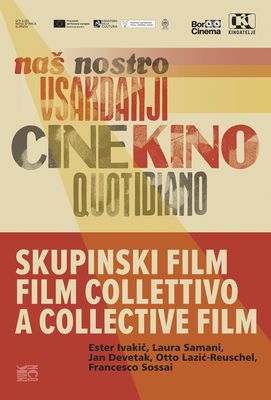
This omnibus of short films was filmed in Gorizia — in streets and by rivers where histories intertwine, a threshold city carved out of its own pulse. Guided by director Alessandro Comodin and inspired by Our Daily Cinema by Sandro Scandolara, five auteurs — Jan Devetak, Ester Ivakič, Otto Lazić-Reuschel, Laura Samani and Francesco Sossai — dismantled the frontier into a polyphonic portrait of a town. More information.
LIEBESTRAUM, 12', Jan Devetak
Actress Nora Gregor dies at the age of forty-seven, in her final exile in Santiago de Chile, three weeks after learning of her mother’s death. It is January 20, 1949. A second later she opens her eyes – and finds herself in Gorizia in the year 2025.
IN THE CLOUDS OF MEMORY, 8', Francesco Sossai
A figure appears from the future — sent from a world in which Cinema no longer exists — to retrieve a copy of a film starring Nora Gregor. Told in the first person by a Japanese director, as if it were a small psycho-geographical diary about the city of Gorizia.
NO ONE WILL BELIEVE US, 12', Otto Lazić-Reuschel
Gorizia, 1930. Through the gaze of the cameraman of the Fascist Afterwork Club (OND) we see the regime’s marches and the celebration. By imagining the voice of his thoughts, we delve into his insecurities and his surrender to a silent dissent. The images remain, continuing to tell of a time that has yet to pass.
NOTHING IS CERTAIN – Two strolls in Gorizia, 16', Laura Samani
Summer in Gorizia. A couple is about to leave for their holidays. Between empty streets and closed cinemas, it all feels already behind them. Only Paolino remains, drifting through the city, reminiscing about a lost love.
BAMBI BY THE RIVER, 6', Ester Ivakič
Two girls dream of watching the famous Bambi cartoon at the cinema. But when the show is sold out, they turn the riverside into their very own cinema.
Film Walks
The walks are ideal for those seeking to discover the true cinematic soul of Gorizia and Nova Gorica. Designed for groups of 20–25 participants, each walk lasts approximately 90 minutes and will be available in Italian, Slovenian, and English. All walks start from BorGO Cinema’s premises at Via Rastello 57/59 and are free of charge.
 NORA GREGOR: DIVA OF MULTICULTURAL GORIZIA
Nora Gregor, a film and theater actress, was born in Gorizia on February 3, 1901. She starred in European and Hollywood films, including Carl Th. Dreyer’s Michael (1924) and Jean Renoir’s The Rules of the Game (1939). After shining at Vienna’s Burgtheater, she fled Europe during World War II, finding refuge in Chile, where she died in 1949. Her story reflects the multicultural fabric of early 20th-century Gorizia, a crossroads of languages and cultures transformed by war.
 BIG SCREENS: CINEMA IN GORIZIA
From Jesuit experiments in Piazza della Vittoria and early screenings in beer gardens to the city’s first cinemas, this walk traces the evolution of film culture in Gorizia. It explores how cinema adapted during wartime and how it regained its place in post-war life, offering a unique perspective on the city.
 LIGHTS, CAMERA, ACTION!: CROSS-BORDER FILM LOCATIONS
Gorizia and Nova Gorica boast a unique history, explored by filmmakers from various perspectives. Walking through their streets becomes an opportunity to discover how films and series have portrayed this border region. Not only real stories but also fictional narratives increasingly choose this area for its beauty and distinctiveness. During the walk, we will uncover film locations featured in the backgrounds of movies and series.
 VISIONARIES: THE PASSION FOR CINEMA
"Let this area become a reference point for film culture." This was the mission of Darko Bratina, Sandro Scandolara, and their cross-border friends, such as Silvan Furlan. Today, Gorizia and Nova Gorica can rely on numerous cinema-related projects thanks to them and other visionaries like Sergio Amidei, Ugo Casiraghi, and Dorica Makuc. They were not famous directors or actors but visionaries whose efforts left a legacy worth nurturing for the future of the city.
 FIRST FILM ENCOUNTERS: THE PLAY OF LIGHT
A journey full of games and a workshop where we’ll explore the magic of cinema through the streets of the castle settlement. Will we make it to the theater in time for the start of the film? Will we find the right path? An interactive walk designed especially for children to discover the streets of the castle settlement and uncover the secrets of cinema.
"THOUSAND YEARS OF HISTORY IN THE HEART OF EUROPE: BORGO CASTELLO, A CROSSROADS OF NATIONS AND CULTURES," CUP F88F2200007. Funding: PNRR - Next Generation EU, pilot project PNRR M1C3, measure 2, investment 2.1, line A